Case study 04StyldodApplied AI
Improving accuracy in AI design workflows
01 · The problem
What was wrong
AI-staged images have to be accurate enough for real buying decisions.
A staged listing photo isn’t decoration. Buyers use it to imagine living there, so an image that looks good but misleads is worse than no image. Accuracy, usability and output quality all have to hold at once.
02 · My role
What I owned
I improve the accuracy, usability and output quality of AI staging, enhancement and redesign.
I introduce processes, feedback loops and quality mechanisms around the AI workflows, and connect design, operations, growth and product so improvements actually land in the product.
03 · The system
How it works
- 01 · Staging · enhancement · redesignAI outputWhat the model produces.
- 02 · Accuracy · usability · qualityReviewJudged against what a buyer needs.
- 03 · Into the workflowFeedback loopWhat we learn changes the process and the product.
- 04 · Decision-gradeTrusted imageWhat the customer receives. every review feeds the next round of the workflow
04 · What I built
The pieces
- Feedback loops from review back into the AI-assisted workflows.
- Quality mechanisms that improved consistency and reliability of outputs.
- Cross-functional alignment across design, operations, growth and product, so fixes reach the product.
- Prioritised trade-offs under ambiguity, to keep initiatives moving.
05 · The outcome
What changed
- Moreconsistent, reliable AI outputs
- 3tools improved: staging, enhancement, redesign
- 6 yrsof judging rooms first by hand, now with AI
Images real-estate customers can trust.
06 · The eye underneath
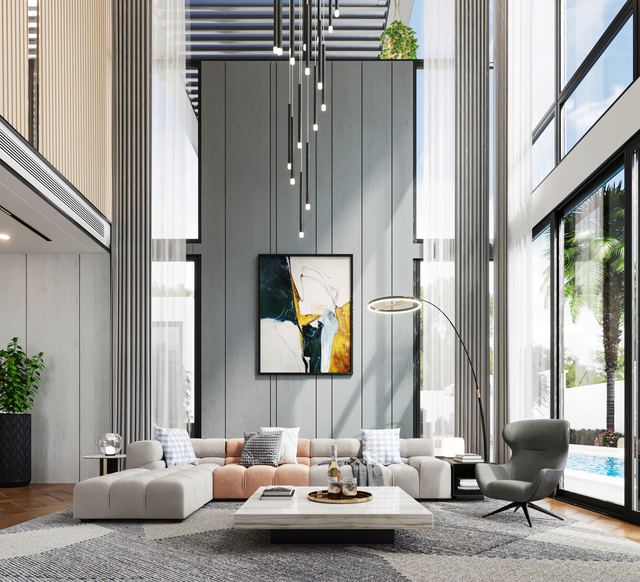
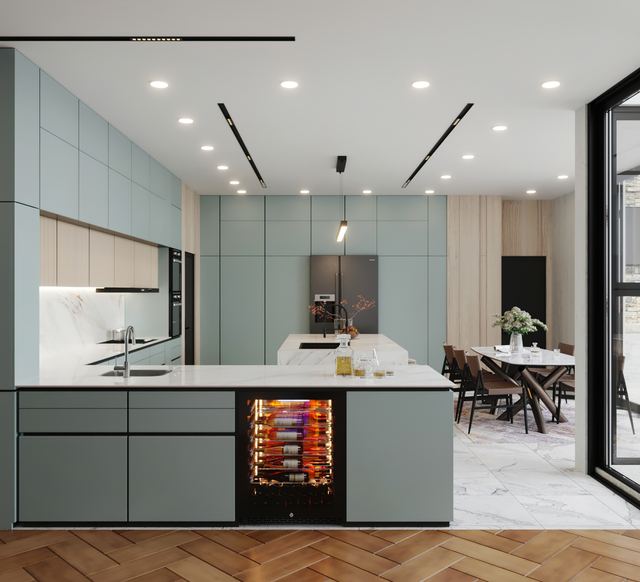
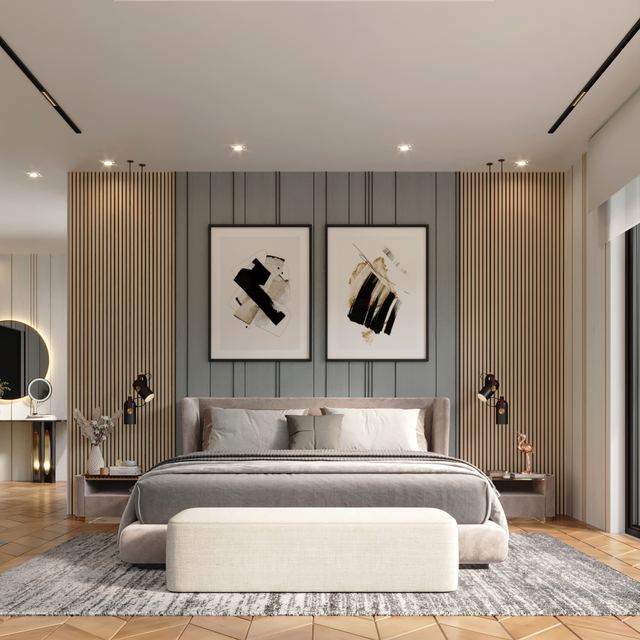
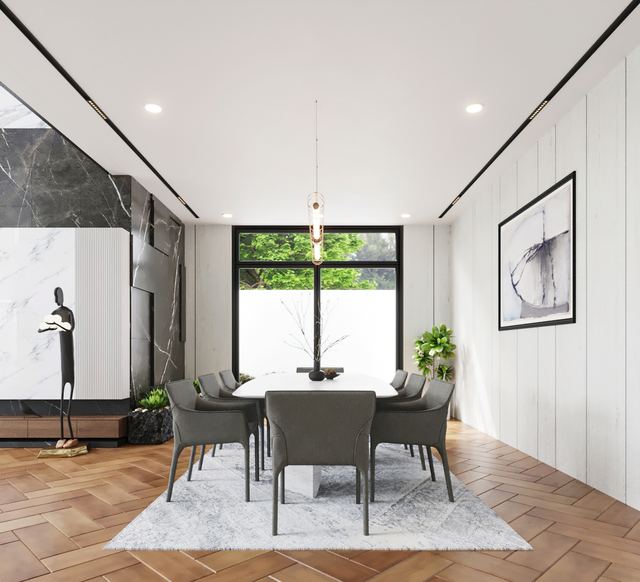
Rooms I built by hand
How I work
Taste is the strategy. Systems are how it scales.
I spent two years staging rooms by hand before AI did it. That is the eye I bring to reviewing model output: I know what a believable room looks like, and where it usually goes wrong.
Hiring for this kind of work? Let’s talk.